Today January 27, 2026, 04:23 PM
Today January 27, 2026, 04:23 PM
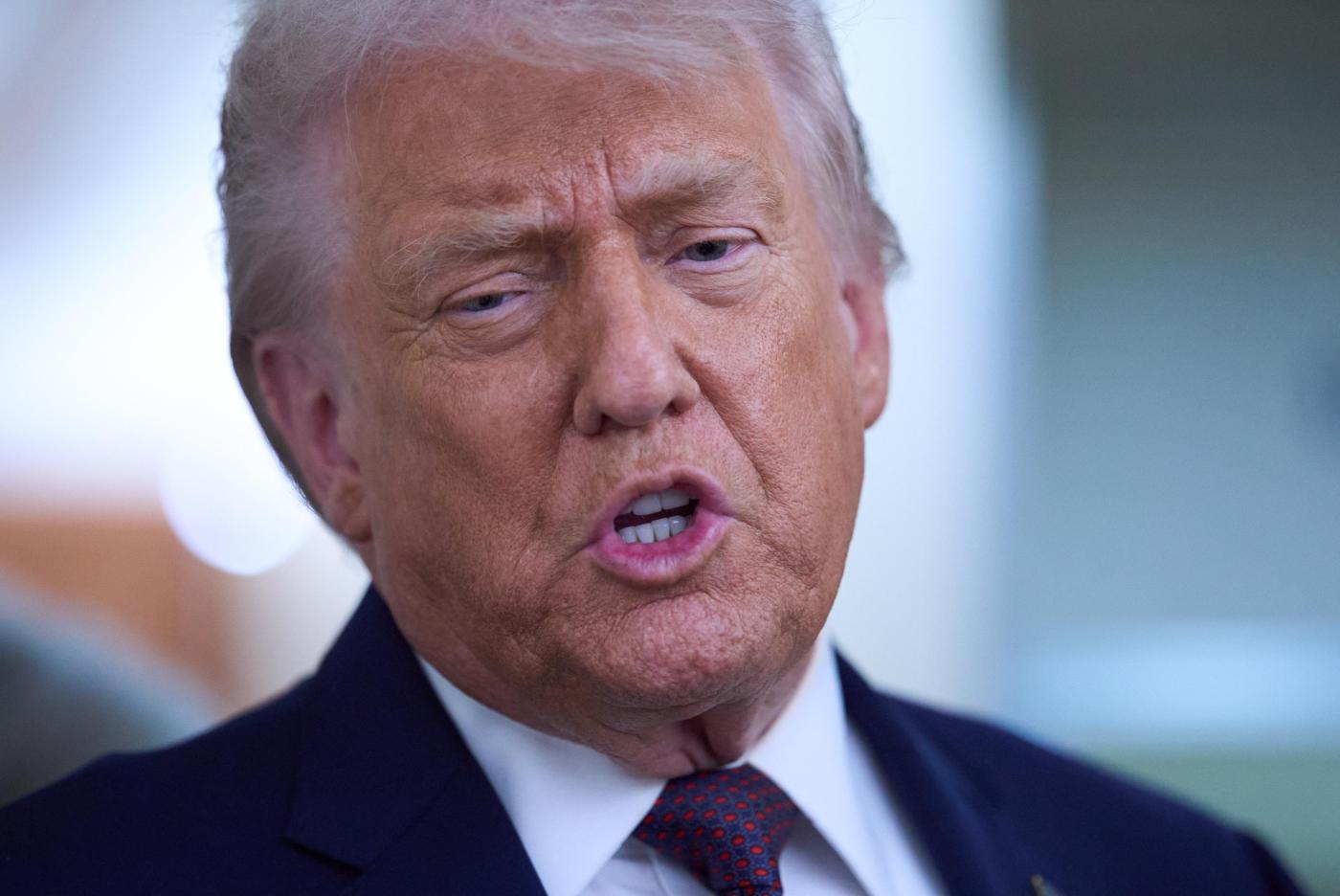
Donald Trump has signed an executive order, promising to slash “bureaucratic red tape and speed up reconstruction in the Pacific Palisades and Eaton Canyon areas one year after devastating wildfires destroyed nearly 40,000 acres of homes and businesses,” the White House confirmed this morning.
The order, titled “Accelerating rebuilding in wildfire-devastated Los Angeles,” was signed Friday, according to the White House.
It’s unclear what impact Trump’s order will have, but many property owners have complained about the pace of permitting and rebuilding in the hardest hit wildfires zones. The order aims to “preempt State or local permitting processes” and move the procedures to the federal level.
The Eaton fire destroyed more than 6,000 homes and devastated the community of Altadena. The Palisades fire burned roughly 5,000 houses.
According to a Los Angeles County online dashboard, 2,994 rebuild applications have been received in the unincorporated areas of both fire areas as of Tuesday morning. So far, 1,619 building plans have been approved, 1,328 building permits have been issued and construction is underway on 648 lots. Only 13 of those construction projects are taking place in the Palisades fire area. Eight residential construction rebuilds have been completed to date, according to the county, all in the Eaton fire area.
Trump’s order promises to “preempt State or local permitting processes, and other similar pre-approval requirements, that each agency has found to have unduly impeded the timely use of Federal emergency-relief funds by homeowners, businesses, or houses of worship in rebuilding such structures following a disaster.”
The order says that Trump’s actions during the January wildfires, the federal government is already empowered to supervise water delivery to fight fires, but additional steps may be taken.
Within 90 days, a collection of Trump appointees and department heads are compelled to deliver legislative proposals “that enable FEMA and SBA to address situations in which States or local governments are not enabling timely recovery after disasters, including through appropriate regulation.”