Today February 26, 2026, 04:02 PM
Today February 26, 2026, 04:02 PM
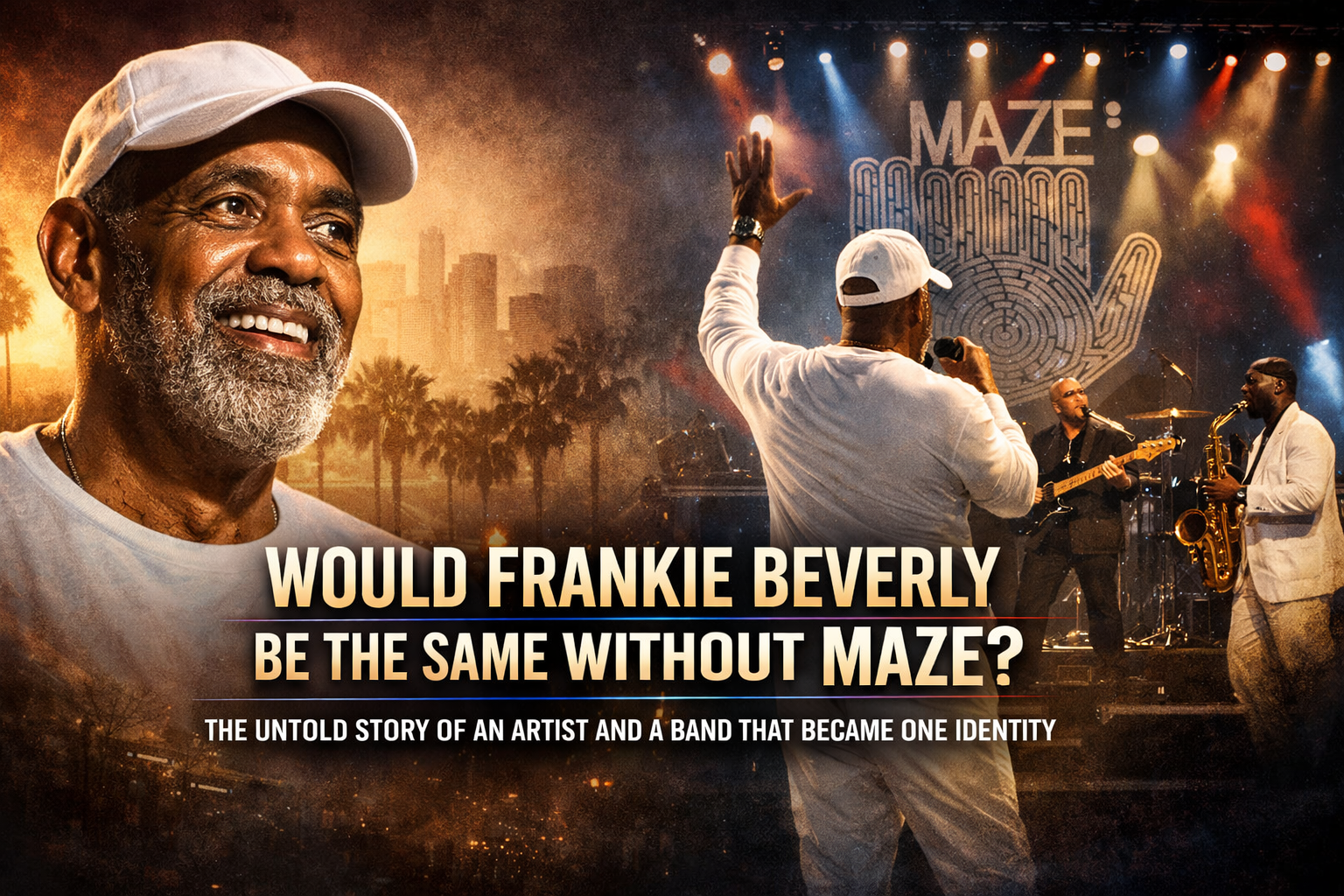
In the history of American soul and R&B, Frankie Beverly and his band Maze represent a rare case where the artist and the group are almost inseparable. The question naturally arises: would Frankie Beverly have been the same without Maze? The connection between his personality and the band’s identity goes far beyond commercial success and reflects a deep creative partnership built over decades.
Frankie Beverly originally formed a group called Raw Soul in the early 1970s, which later became known as Maze after legendary singer Marvin Gaye encouraged them to move to Los Angeles and helped open industry doors. That turning point proved crucial. Maze featuring Frankie Beverly soon gained recognition through powerful live performances and released multiple gold-certified albums between 1977 and 1989.
Songs such as “Before I Let Go,” “Joy and Pain,” and “We Are One” became more than chart successes. They evolved into cultural staples, particularly within African American communities, where Maze’s music became a defining presence at celebrations, reunions, and social gatherings.
Music historians note that Beverly’s personality and Maze’s sound shaped each other. He was not only the lead vocalist but also the creative core of the band. His distinctive voice, signature white outfits and cap, and emotional connection with audiences helped define Maze as a brand.
Unlike many artists who reinvent themselves outside their bands, Beverly’s artistic identity remained closely tied to Maze. The band functioned as an extension of his musical vision. In that sense, Frankie Beverly might have existed without Maze, but whether he would have reached the same legendary status remains a subject of discussion.
Frankie Beverly passed away in 2024, yet his partnership with Maze continues to stand as a powerful example of how an artist and a band can merge into a single cultural legacy.