Today June 21, 2026, 06:18 AM
Today June 21, 2026, 06:18 AM
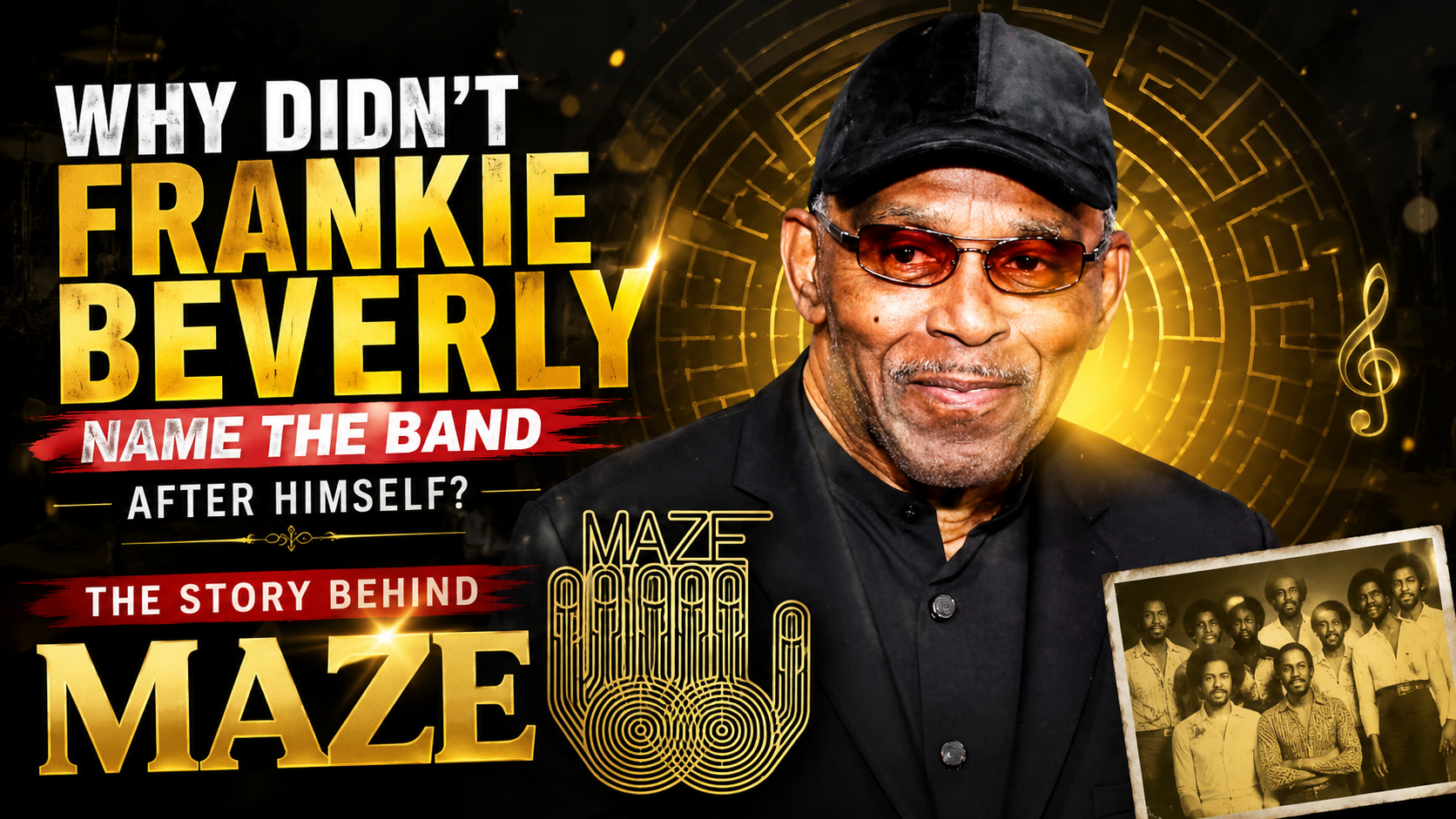
Throughout music history, many legendary bands have carried the name of their lead performer. Frankie Beverly took a different path. Despite becoming one of the most respected figures in soul and R&B music, his group was known simply as “Maze” before later becoming widely recognized as “Maze featuring Frankie Beverly.”
That raises an interesting question: Why didn’t he make his own name the center of the band’s identity from the beginning?
Music historians often point to Beverly’s collaborative approach to artistry. Rather than presenting himself as the sole focus, he appeared to view music as a collective effort built by the contributions of an entire group.
While there is limited publicly documented information about the exact origin of the name “Maze,” many observers believe the name helped establish an identity that extended beyond any one individual. It allowed the band to be recognized as a unified creative force rather than simply a backing group for a single performer.
This approach reflected Beverly’s broader reputation within the music industry. Throughout his career, he was known more for his music and live performances than for personal publicity or self-promotion. His focus remained on connecting with audiences through songs rather than building a celebrity image.
As his popularity grew, the name “Maze featuring Frankie Beverly” became increasingly common. Fans associated his voice and personality so strongly with the group that his name naturally became part of the public identity of the band.
Cultural commentators suggest that this evolution reveals something important about Beverly’s character. He appeared to value collective achievement and musical unity over individual recognition.
The result is a legacy that feels larger than a single artist. Today, the name “Maze” immediately brings to mind classics such as “Joy and Pain,” “We Are One,” and “Before I Let Go.” The band’s identity became inseparable from the music itself.
Many industry observers believe that this decision ultimately strengthened the group’s legacy. Instead of creating a brand centered entirely around one person, Beverly helped build a musical identity that could stand on its own while still highlighting his contributions.
Perhaps that is why the story continues to fascinate fans. It reflects a philosophy that placed music, teamwork, and shared success above personal fame.
Do you think Frankie Beverly’s decision reflected humility, artistic vision, or both? Share your thoughts in the comments.