Today June 25, 2026, 09:00 AM
Today June 25, 2026, 09:00 AM
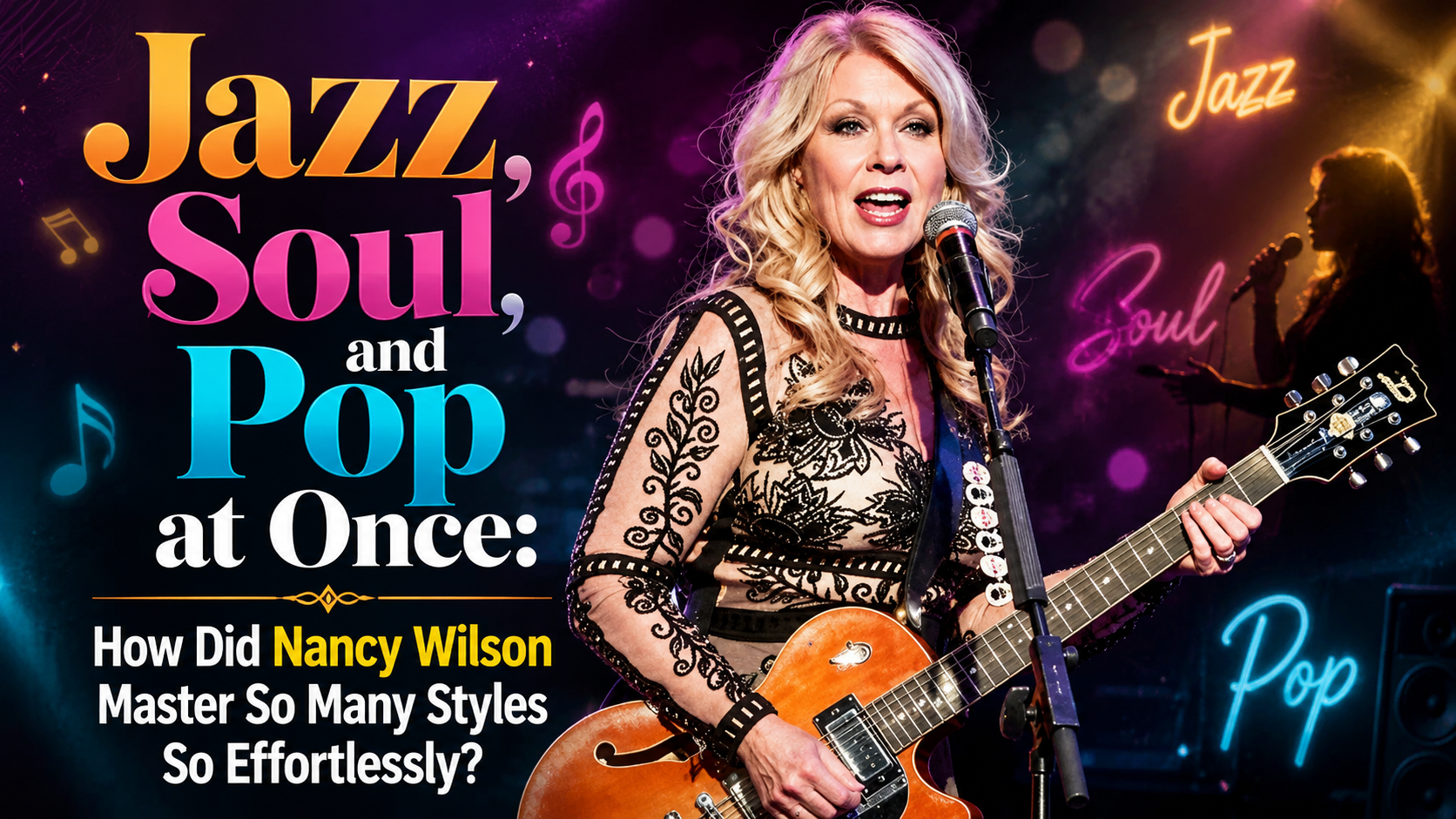
Some artists fit neatly into one musical category. Nancy Wilson never did. Across a long and influential career, she moved through jazz, soul, and pop with a level of ease that still feels remarkable today. That is one reason she remains so difficult to define and so important to remember.
So how did she manage to master so many styles without sounding scattered or unfocused?
A big part of the answer lies in the way she approached music from the beginning. Wilson came of age during a period when jazz, rhythm and blues, traditional pop, and gospel were constantly overlapping in American music. Rather than treating those traditions as separate worlds, she absorbed them as part of one larger musical language.
She also resisted narrow labels. Nancy Wilson was often described as a jazz singer, but she preferred to think of herself as a “song stylist.” That phrase reveals a great deal about her artistic method. She was not interested in proving loyalty to one genre. She was interested in interpreting songs in the most emotionally effective way possible.
From jazz, she drew phrasing, timing, subtlety, and control. Her sense of how to shape a lyric, delay a phrase, or let a note breathe gave her performances a conversational intelligence that many pure pop singers never develop.
From soul, she brought warmth, emotional weight, and a direct connection to feeling. Even when her delivery was elegant and restrained, there was a depth of feeling beneath it that made her performances resonate beyond technique.
And from pop, she understood accessibility. Wilson knew how to make a song memorable, immediate, and inviting without sacrificing sophistication. That balance helped her reach audiences far beyond the jazz world.
Her career choices reflect that range. Collaborations such as her work with Cannonball Adderley strengthened her jazz credentials, while songs like “(You Don’t Know) How Glad I Am” brought her broad popular recognition. She could record jazz-oriented material, interpret ballads with soul inflection, and still connect with mainstream listeners in a way that felt natural rather than calculated.
Another key to her versatility was repertoire. Wilson chose songs that gave her room to reinterpret them rather than simply perform them. She treated songs as living stories, not fixed structures. That meant she could lean more jazz on one track, more pop on another, and more soul on the next, while still sounding unmistakably like herself.
Music historians often point out that her greatest gift may have been control. She did not oversing. She did not rely on vocal excess to create emotion. Instead, she used tone, timing, and restraint with extraordinary intelligence. That discipline allowed her to move across genres without losing artistic identity.
That is why Nancy Wilson’s legacy still matters. She showed that genre boundaries are often less important than interpretation, honesty, and taste. Jazz gave her nuance, soul gave her emotional power, and pop gave her reach. She turned all three into one unmistakable voice.
In your opinion, what was Nancy Wilson’s greatest strength: her jazz phrasing, her soulful emotion, or her ability to make sophisticated music feel accessible? Share your thoughts in the comments.