Today January 16, 2026, 05:05 PM
Today January 16, 2026, 05:05 PM
Introduction
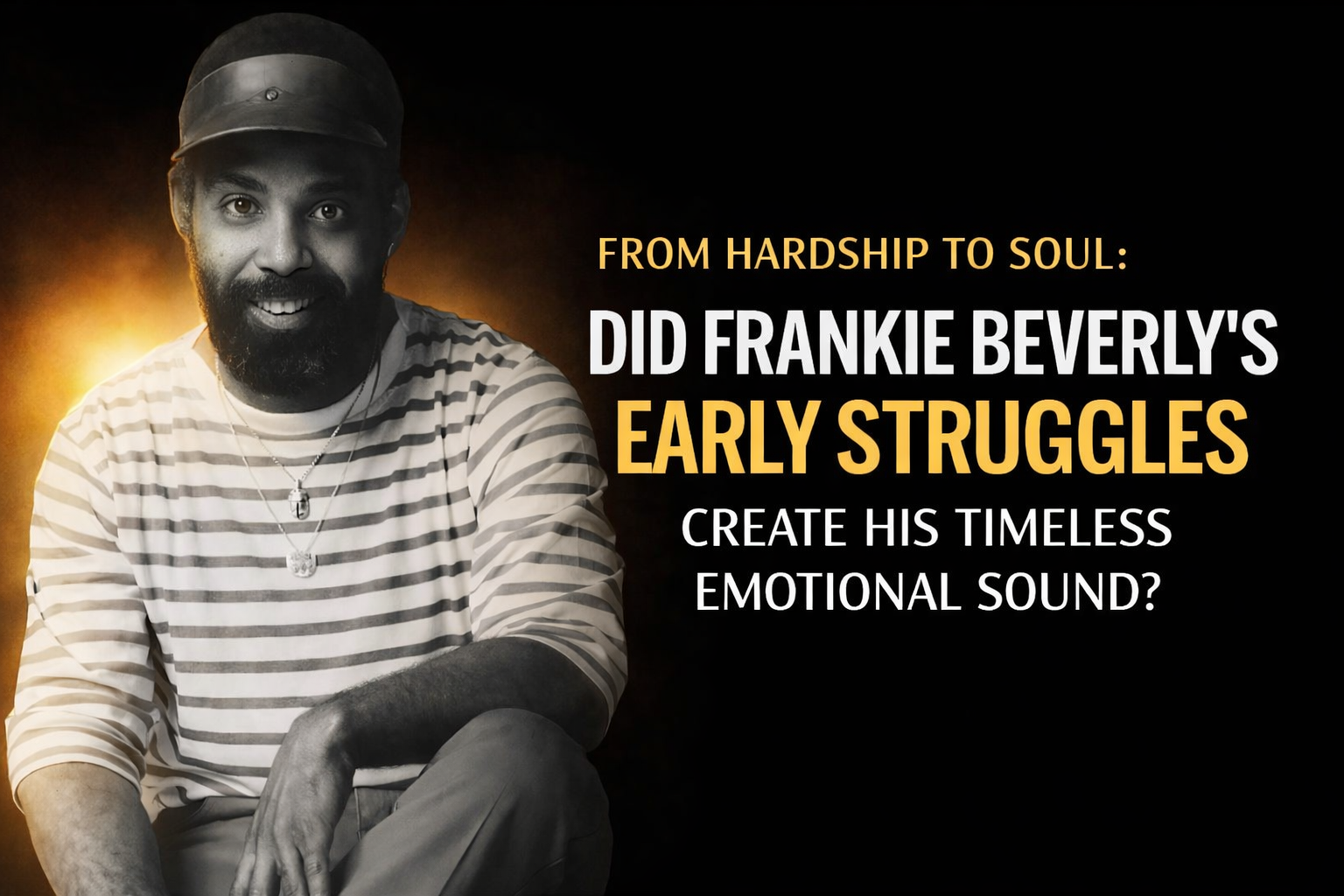
In the world of soul and R&B, few artists have the rare ability to make listeners feel rather than simply hear. Frankie Beverly stands firmly in that category. His music carries warmth, restraint, and emotional honesty—qualities that invite a deeper question: did the challenges of his childhood play a defining role in shaping his profoundly emotional artistry?
Early Life and Reality
Born in 1946 in Philadelphia as Howard Stanley Beverly, Frankie Beverly grew up in a working-class environment marked by real-world struggles. Life demanded maturity early on. Those formative years, filled with observation and resilience, quietly trained him to understand human emotion—an understanding that later became the backbone of his songwriting.
Gospel Roots and Emotional Discipline
Beverly’s musical foundation was gospel. Singing in church taught him more than melody; it taught him emotional discipline and spiritual expression. That grounding allowed him to transition naturally into soul and R&B, carrying with him a voice that felt lived-in rather than performed.
The Rise of Maze
In the 1970s, Beverly formed Maze, a band that would become synonymous with consistency and authenticity. Success came without chasing trends. Maze built a loyal audience through sincerity, extended live performances, and songs that aged gracefully rather than quickly.
Music Drawn from Life
Frankie Beverly’s catalog avoids excess and exaggeration. Songs like Before I Let Go and Joy and Pain speak in plain emotional language—love, loss, endurance, and self-respect. These tracks resonate because they feel truthful, not manufactured. The emotions come from experience, not concept.
A Quiet but Firm Leader
Unlike many of his contemporaries, Beverly avoided celebrity spectacle. He valued control over his art, consistency over hype, and substance over visibility. His leadership style was calm yet uncompromising, earning respect across generations of musicians.
Legacy Beyond Struggle
With his passing in 2024, the soul music community lost a steady, grounding presence. Yet his legacy remains intact. Beverly transformed hardship into empathy, discipline into warmth, and personal experience into collective emotion.
Conclusion
So, did childhood hardship make Frankie Beverly the emotional artist the world came to love? Hardship alone was not the answer—but it was the starting point. What followed was integrity, spiritual grounding, and a lifelong commitment to honest expression. That combination is why his music continues to live, breathe, and heal long after the final note.