
Today January 19, 2026, 02:33 PM
Today January 19, 2026, 02:33 PM
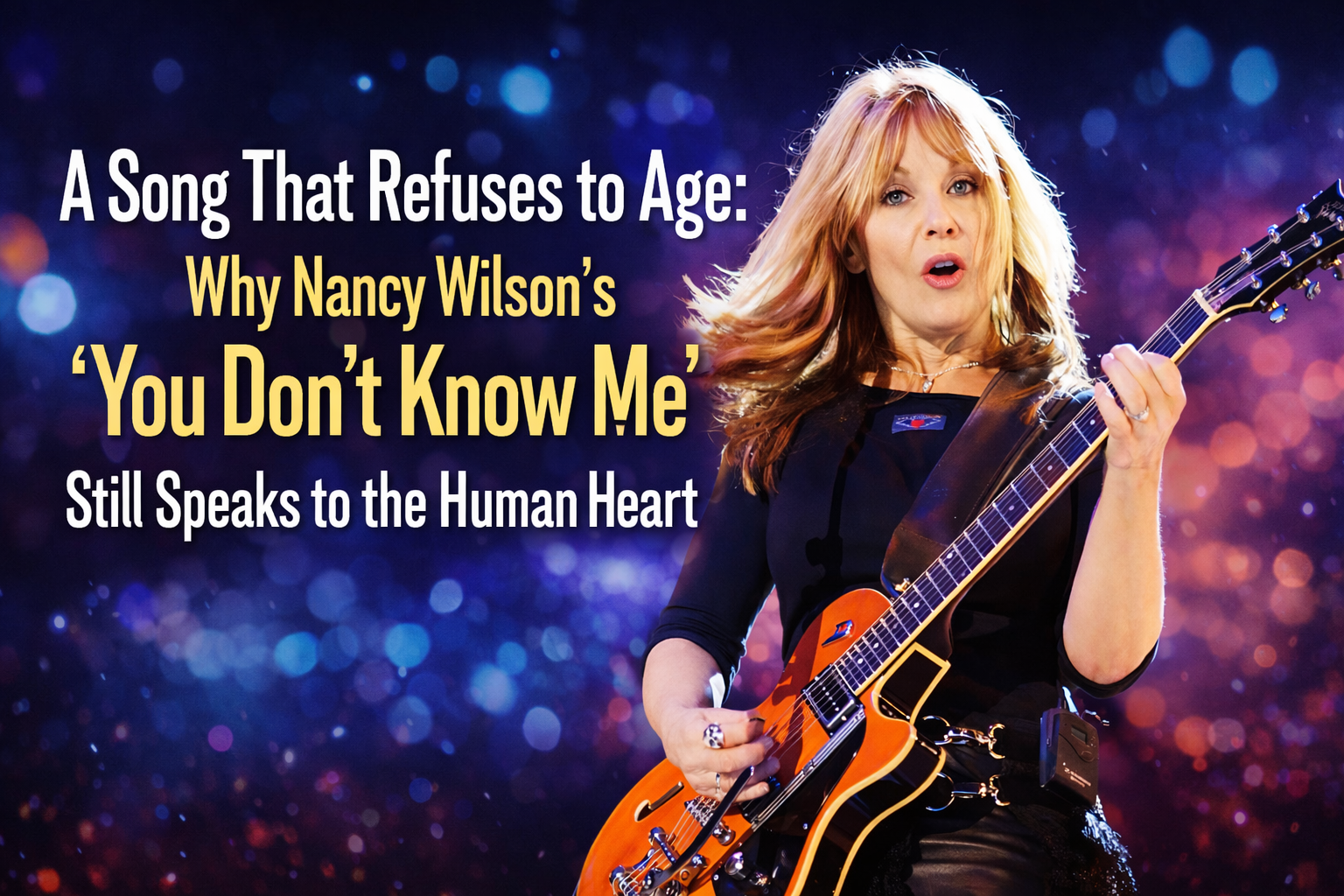
Some songs transcend time. They do not belong to a decade, a genre, or a trend—they belong to emotion itself. “You Don’t Know Me” is one such song, and in the voice of Nancy Wilson, it becomes more than music; it becomes a quiet confession of love, longing, and restraint.
Originally written in 1955 by legendary songwriter Cindy Walker, the song was first made famous by Eddy Arnold as a country ballad. It later reached a new level of popularity when Ray Charles transformed it into a soulful, emotional classic. Yet, when Nancy Wilson recorded the song, she brought something entirely different—an intimate vulnerability that feels almost like a whispered truth.
Her version was released in 1960 as the title track of her album “You Don’t Know Me”, a milestone in her career. The song showcased her unique ability to blend jazz sophistication with emotional honesty. Wilson didn’t overpower the lyrics; she trusted them. Her controlled, warm, and restrained delivery made the pain feel real, not performed.
At its core, the song tells the story of unspoken love—of being close to someone every day, sharing smiles and conversations, yet never revealing the heart’s deepest feelings. This emotional tension is what gives the song its enduring power. In Nancy Wilson’s rendition, that tension becomes almost unbearable in its quietness, making listeners feel as though the song is telling their own story.
Even in today’s fast-moving digital music world, “You Don’t Know Me” continues to find new audiences. It appears in films, television series, and curated playlists, resonating with listeners across generations. Love changes its form over time, but the pain of unexpressed love remains universal—and this song captures it perfectly.
Music critics often note that Nancy Wilson’s interpretation is not merely a cover, but a definitive emotional reading of the song. It stands as proof that true artistry does not fade; instead, it grows richer as time passes. More than sixty years later, “You Don’t Know Me” still speaks—softly, honestly, and directly to the heart.


