Today July 1, 2026, 12:08 PM
Today July 1, 2026, 12:08 PM
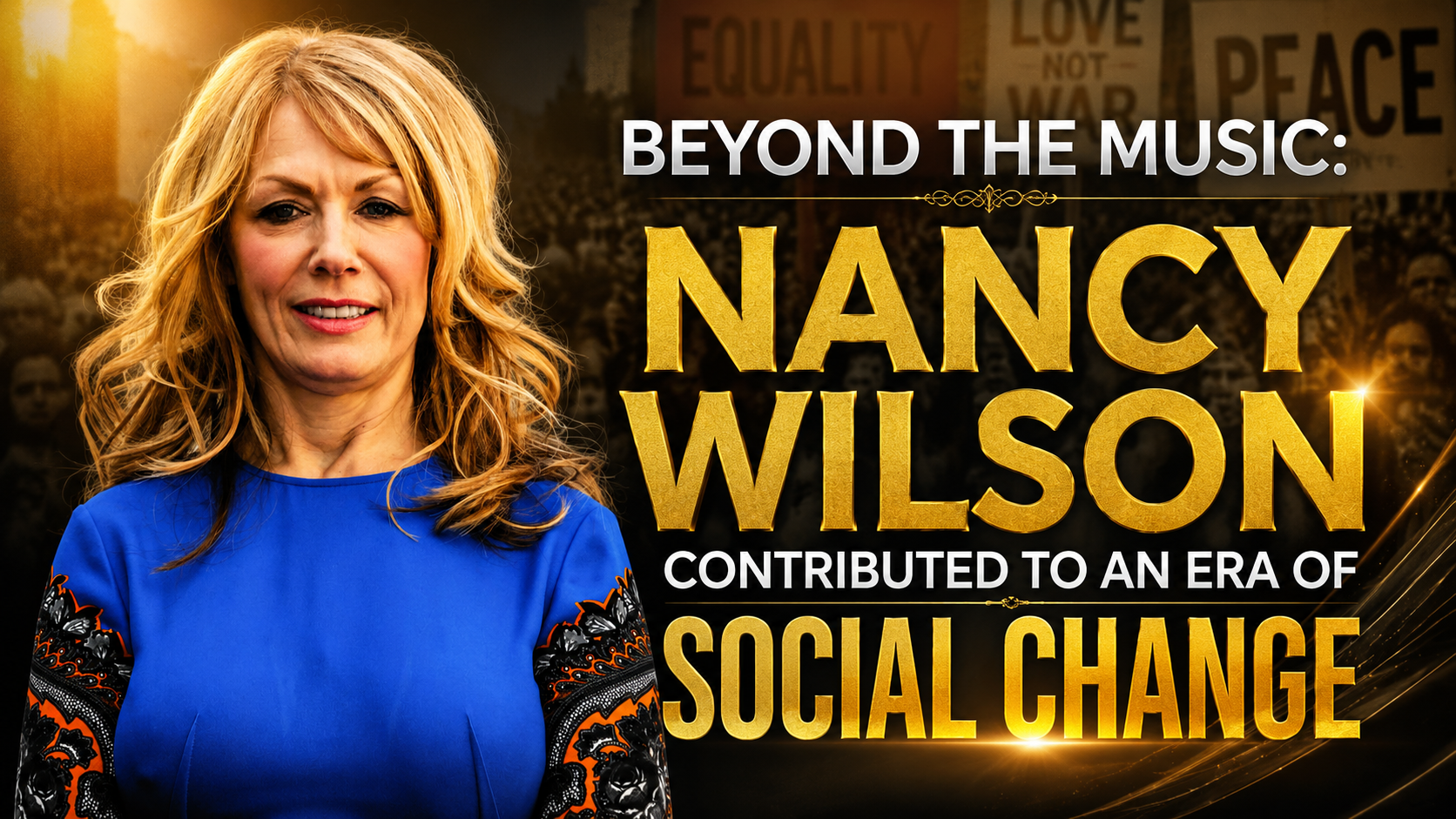
When discussing the American Civil Rights Movement, the names of political leaders and activists are often remembered first. Yet artists also played an important role in shaping public culture and expanding opportunities. Nancy Wilson was one of those influential figures.
It is important to be historically accurate. Nancy Wilson was not a leading political organizer of the Civil Rights Movement, and she is not generally recognized as one of its principal activists. Her contribution came through a different path.
During the 1950s and 1960s, Wilson emerged as one of America’s most respected African American vocalists at a time when racial barriers remained significant throughout the entertainment industry. Her success challenged long-standing limitations and helped demonstrate that talent could break through discrimination.
By becoming a celebrated recording artist, television performer, and Grammy-winning vocalist, Wilson expanded visibility for Black artists within mainstream American entertainment. Her achievements inspired future generations of performers seeking similar opportunities.
Beyond her musical accomplishments, Wilson supported charitable, educational, and community initiatives throughout her career. She believed artists could contribute positively to society through professionalism, leadership, and public service.
Music historians often emphasize that cultural influence can be just as meaningful as political activism. Wilson’s career represented excellence, dignity, and perseverance during a period of profound social change in the United States.
Although her songs were not primarily written as civil rights anthems, her presence and achievements helped reshape expectations about representation and opportunity within the music industry.
Nancy Wilson’s legacy reminds us that social progress is often advanced not only by political leaders but also by artists whose work changes public perceptions and opens doors for those who follow.
In your opinion, how important is the role of artists in creating positive social change? Share your thoughts in the comments.