
Today January 2, 2026, 02:29 PM
Today January 2, 2026, 02:29 PM
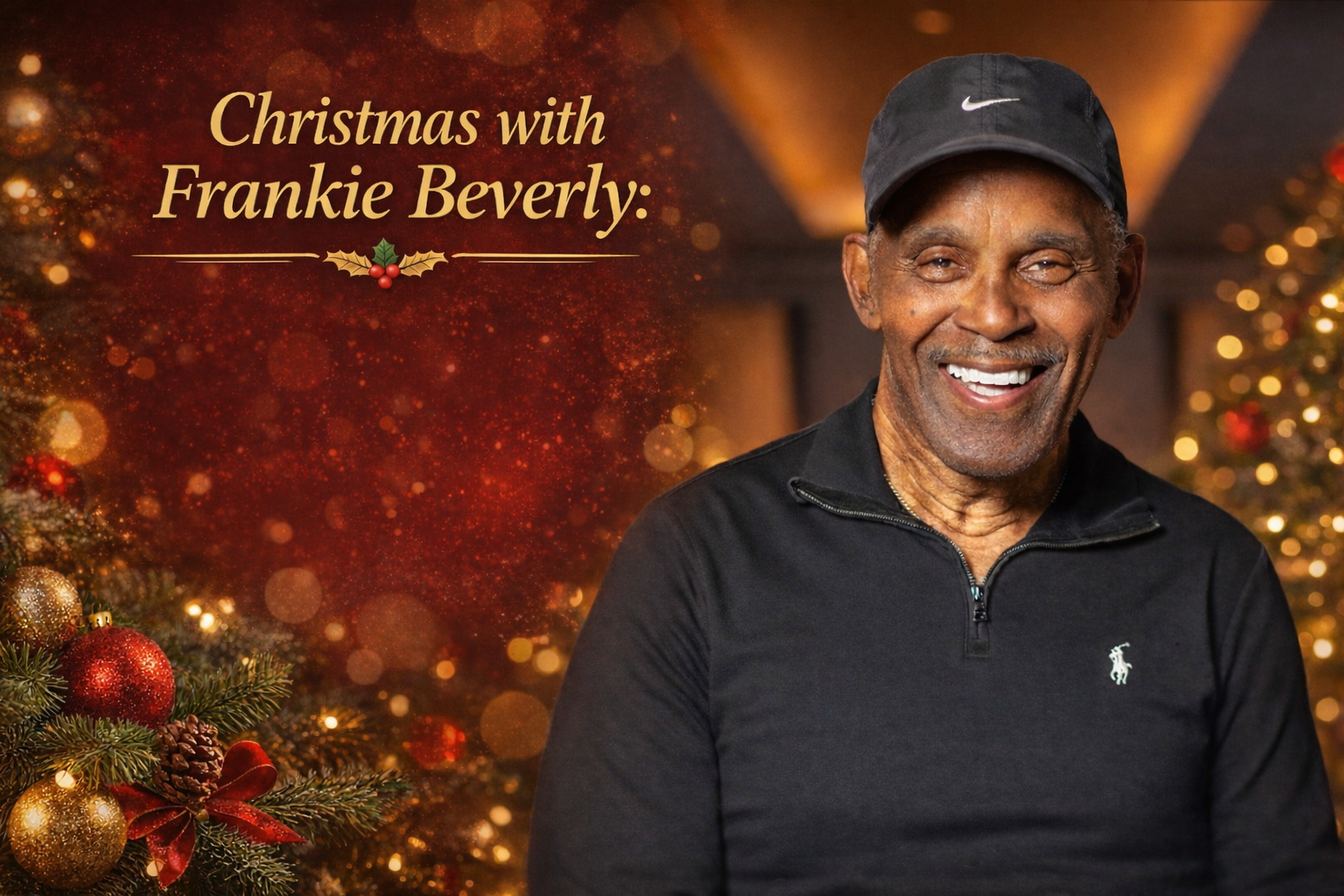
Christmas is often defined by familiar sounds—classic carols, orchestral hymns, and festive pop anthems that return every December. Yet beyond the glittering playlists and commercial hits, there exists a quieter, deeper musical tradition that many listeners turn to during the holidays. In living rooms, family gatherings, late-night reflections, and long holiday drives, one voice consistently finds its way into the soundtrack of Christmas: Frankie Beverly.
Frankie Beverly never positioned himself as a Christmas artist. He did not record holiday albums, nor did he write songs about snow, bells, or Christmas mornings. And yet, decades after his rise to prominence, his music has become an emotional cornerstone of the holiday season for millions. The reason lies not in seasonal lyrics, but in emotional truth.
Beyond Carols: The Role of Soul Music During the Holidays
Over time, Christmas has evolved beyond a strictly religious or traditional celebration. It has become a period of reflection—about love, loss, gratitude, family, and time itself. In this emotional space, soul music occupies a powerful role, offering warmth without spectacle and depth without excess.
Frankie Beverly’s music, particularly his work with the band Maze, represents a form of soul that is patient, honest, and deeply human. His songs do not demand attention; they invite connection. During Christmas, when people slow down and turn inward, this quality becomes especially meaningful.
Tracks like Joy and Pain, Golden Time of Day, and Before I Let Go speak to universal life experiences. They explore relationships, emotional balance, commitment, and resilience—the same themes people reflect on as one year ends and another begins.
Why Frankie Beverly’s Music Feels Like Christmas—Without Being Christmas Music
What sets Frankie Beverly apart is emotional credibility. His voice carries maturity, lived experience, and calm authority. There is no rush in his delivery, no artificial drama. Instead, there is space—space to think, to feel, to remember.
Music historians often describe his work as “timeless” because it resists trends. That timelessness is precisely why it thrives during the holidays. Christmas is not only about joy; it is also about memory and reflection. Beverly’s music allows listeners to hold all of those emotions at once.
This explains why his songs are frequently played during:
Family dinners
Holiday reunions
Quiet evenings after celebrations
Year-end conversations
Intergenerational gatherings
His music bridges generations, connecting grandparents, parents, and younger listeners through shared emotional language.
Cultural Impact and Holiday Listening Habits
In African American communities, Frankie Beverly’s music has long been associated with family, togetherness, and shared moments. Over time, this association has expanded globally. Streaming-era data trends show that soul and classic R&B experience noticeable increases in plays during the holiday season—not as replacements for Christmas music, but as emotional companions to it.
Listeners often describe Frankie Beverly’s songs as “comfort music”—sounds that feel safe, familiar, and grounding. During a season that can be joyful yet emotionally complex, this comfort becomes essential.
Unlike high-energy holiday tracks designed for parties and public spaces, Beverly’s music thrives in personal environments. It becomes part of the emotional architecture of Christmas rather than the decoration.
The Meaning of Legacy During the Holidays
Frankie Beverly’s status as a legend is rooted not in chart dominance but in longevity and trust. His audience has remained loyal for decades because his music never betrayed its emotional core. That trust becomes especially important during Christmas, a time when people seek authenticity over novelty.
Many artists chase seasonal relevance. Frankie Beverly achieved something rarer—seasonal resonance without intention. His music fits Christmas not because it tries to, but because it understands human emotion.
Christmas as a Feeling, Not a Soundtrack
At its heart, Christmas is not defined by a genre or a playlist. It is defined by feeling—connection, warmth, remembrance, and hope. Frankie Beverly’s music captures those feelings with quiet confidence.
For countless listeners, Christmas does not truly begin when the lights go up or the carols start playing. It begins when familiar voices fill the room, conversations slow down, and a soulful melody plays softly in the background.
In that moment, without announcement or ceremony, Frankie Beverly is already there.
Christmas isn’t just something we celebrate.
It’s something we feel.
And for many, that feeling sounds like Frankie Beverly.


