
Today March 30, 2026, 05:35 AM
Today March 30, 2026, 05:35 AM
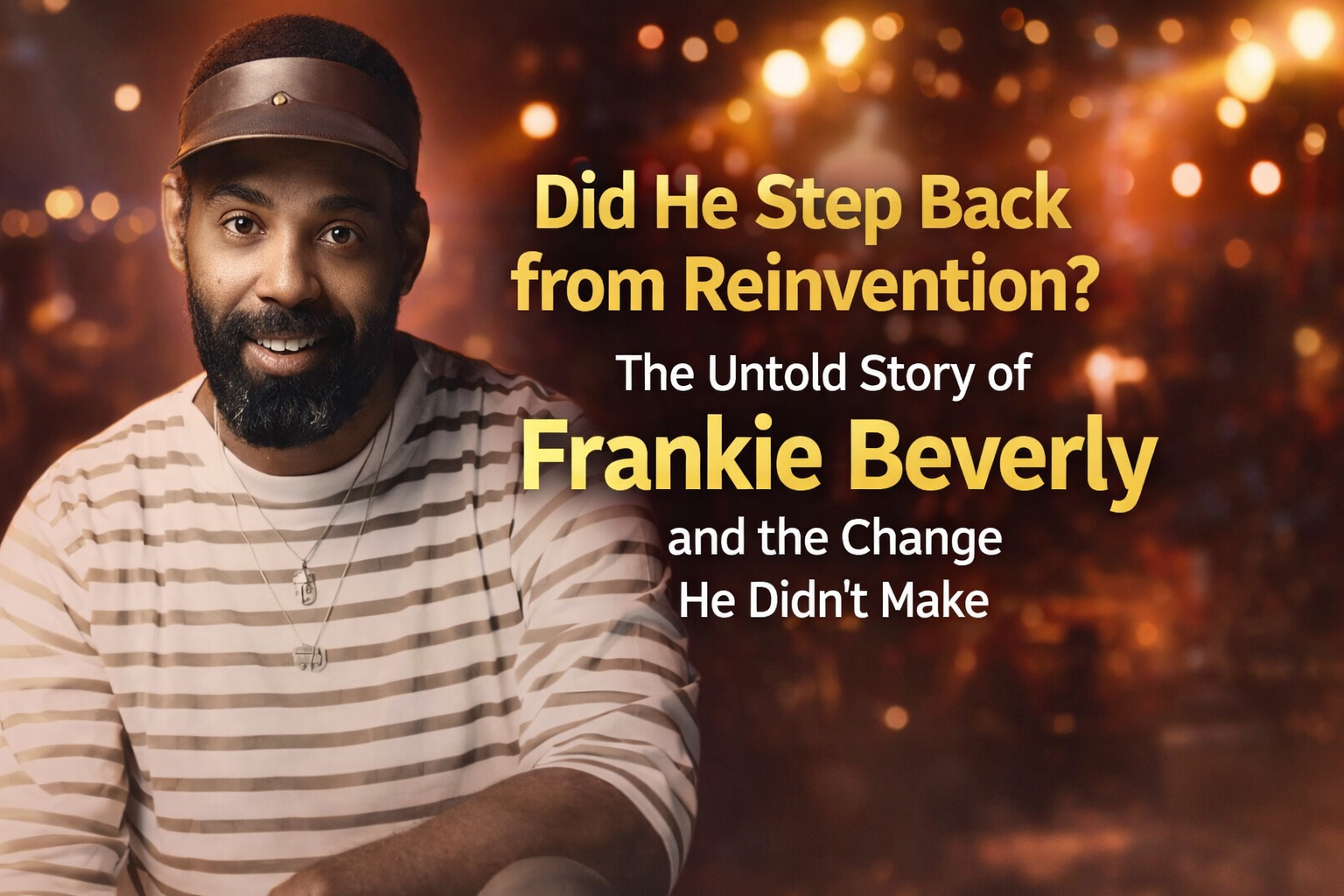
Frankie Beverly remains one of the most respected figures in American soul and R&B music. As the frontman of Maze, he built a legacy rooted in consistency, authenticity, and emotional connection with audiences. Yet, behind that steady success lies a lesser-known question—did he ever consider taking a major creative risk to reinvent himself?
Music analysts suggest that Beverly was always a deliberate and thoughtful artist. During the rise of disco and commercial pop in the 1970s and 1980s, many performers adapted their styles to stay relevant. Beverly, however, chose a different path.
Industry insiders indicate that he had opportunities to shift toward a more commercial sound, which could have expanded his mainstream reach. Producers reportedly encouraged experimentation with evolving trends. Still, Beverly chose not to pursue that direction.
For him, music was more than market appeal. It was a form of personal expression. This decision may have limited his crossover success, but it also helped him build a deeply loyal fan base that continues to support his work decades later.
Historians argue that his restraint reflects artistic integrity rather than hesitation. Beverly may have stood at the edge of transformation, but he ultimately chose to preserve the identity that defined his music.


