Today January 9, 2026, 11:23 PM
Today January 9, 2026, 11:23 PM
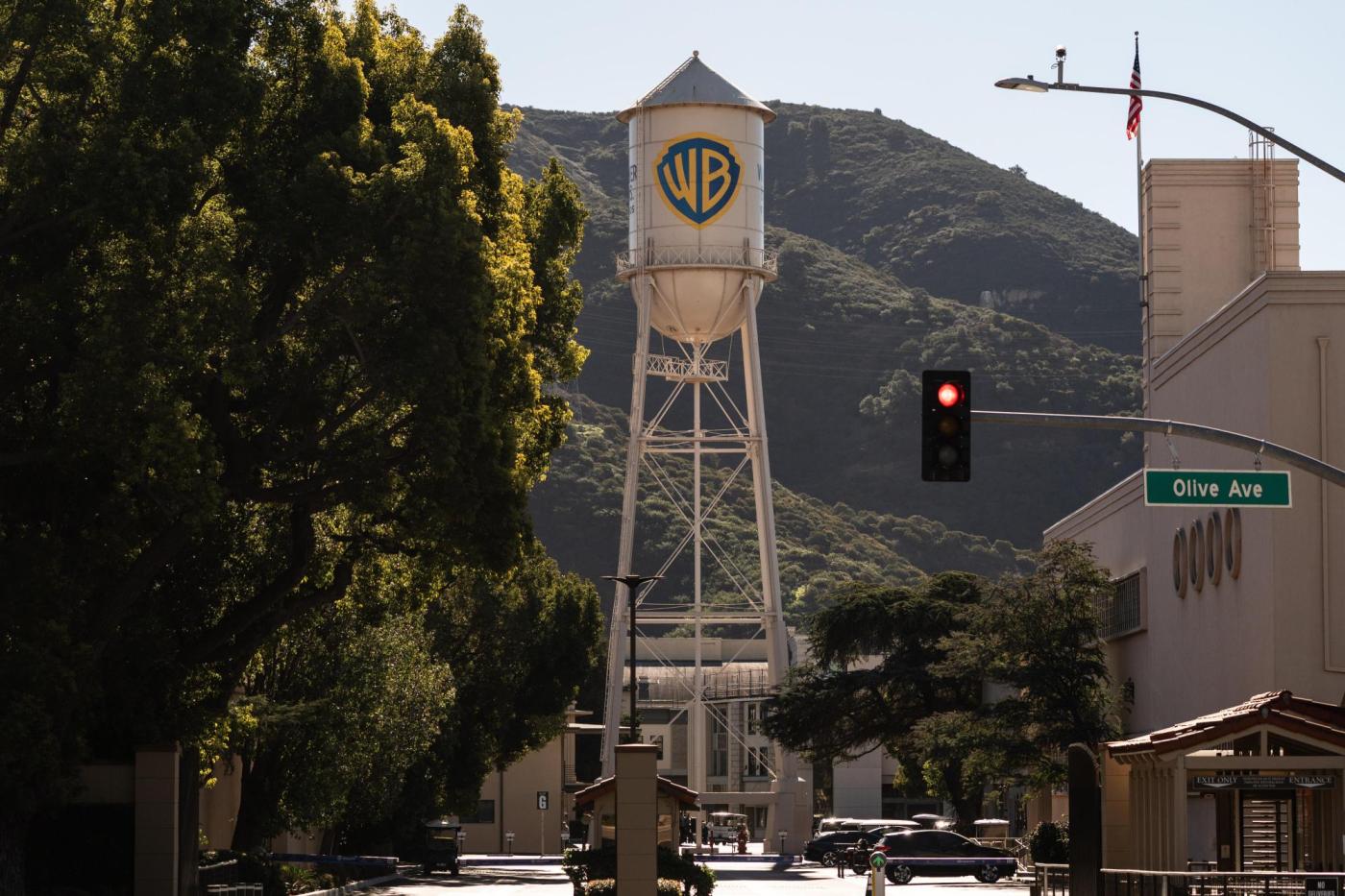
Netflix says it will buy Warner Bros. Discovery for $72 billion, one of the most colossal mergers in recent Hollywood history. Here’s a look at the beginnings of the Hollywood studios and what the entertainment landscape is like today.
The film industry has always been changing from silence to sound or VHS to DVDs. The giant Netflix merger is sure to shift the streaming landscape. It gives the streaming giant control of rival HBO Max and a storied film studio.
Warner Bros. rejected a more expensive takeover from Paramount this week saying the Netflix deal was better for shareholders.In December Netflix released statements on their intention to acquire part of Warner Bros. Discovery, while also looking to alleviate concerns in Hollywood about the blockbuster deal’s potential impact on the movie business.
In a regulatory filing, Netflix co-CEOs Greg Peters and Ted Sarandos pledged that the streaming giant would continue to release movies to theaters.
“We haven’t prioritized theatrical in the past because that wasn’t our business at Netflix,” the pair said in a letter addressed to Netflix employees, highlighting the company’s strategic pivot. “When this deal closes, we will be in that business.”
Netflix was conceived in 1997 by Reed Hastings (the current CEO) and Marc Randolph. Both were big players in the West Coast tech scene.
Originally a DVD-rental service, in the same vein as Blockbuster, Netflix broke ground with its mail-order service. The company struggled in the early 2000s, but went public in 2007 and began its video streaming service.
Netflix began producing its own programming in 2012 and by 2020 earned more Oscar nominations than any other film studio.Today Netflix reached 301.6 million paid


