Today June 24, 2026, 06:04 AM
Today June 24, 2026, 06:04 AM
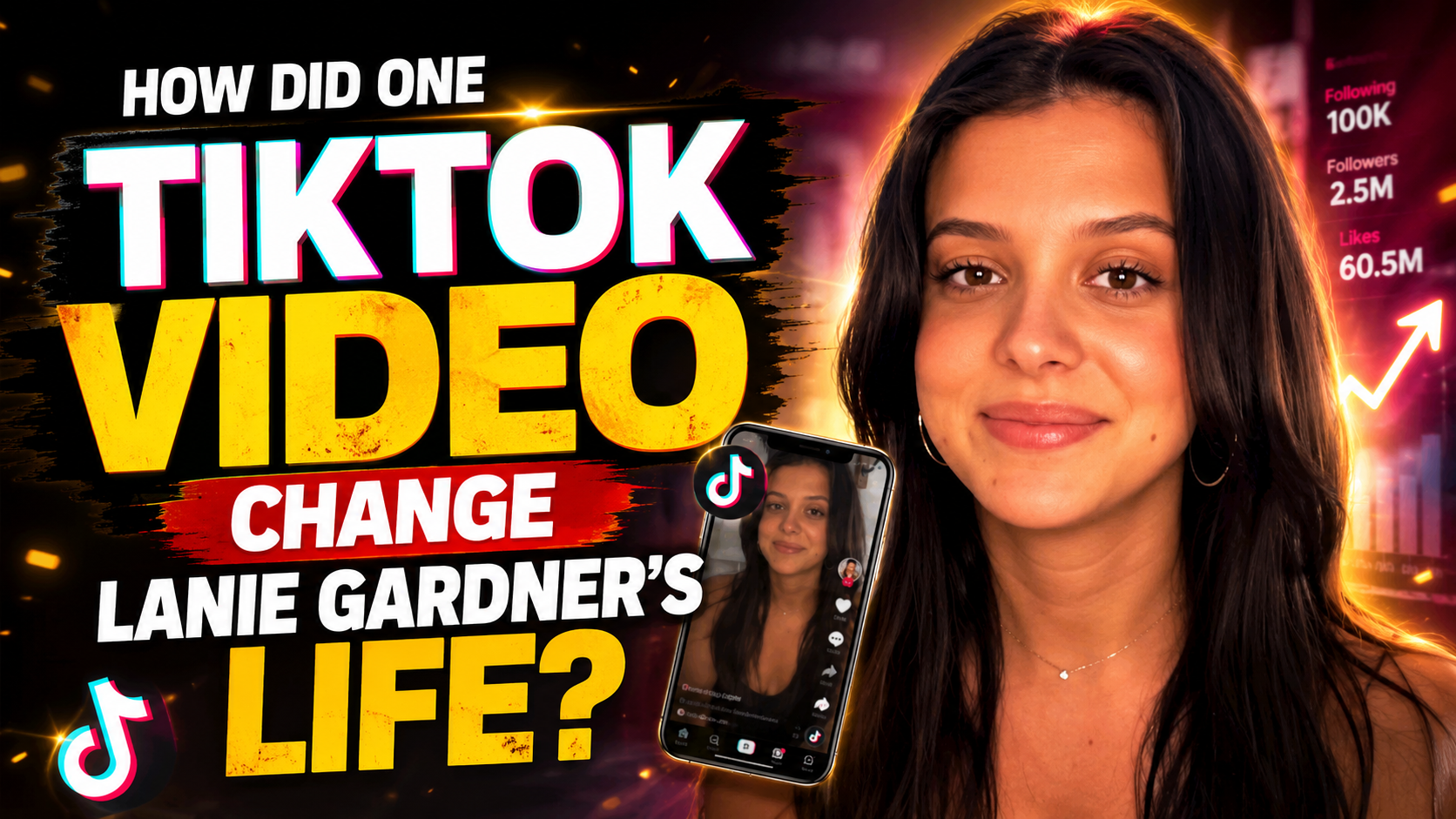
In today’s music industry, one video can change everything. Lanie Gardner’s rise is one of the clearest examples of how a single online performance can transform an unknown singer into a recognized artist almost overnight.
Before her breakout moment, Gardner was a young singer-songwriter with talent, ambition, and a growing love for music. But like many aspiring artists, she was still waiting for the moment that would introduce her to a much larger audience. That moment came when she posted her cover of Fleetwood Mac’s classic “Dreams.”
The performance quickly spread across TikTok, YouTube, and other social platforms, drawing millions of views and introducing her voice to listeners around the world. Audiences were not simply responding to a familiar song. They were responding to the emotional quality of her voice, the confidence of her delivery, and the way she made an iconic track feel fresh again.
Music industry observers note that Gardner’s viral moment was not only about timing or platform algorithms. It was also about the strength of the performance itself. Covering a beloved classic is risky, but Gardner managed to do it in a way that felt authentic rather than imitative.
The impact was immediate. Her version of “Dreams” gained major attention and opened doors that many young artists spend years trying to unlock. Public reports show that the viral success of the cover led to management with Jonas Group Entertainment and a record deal with Republic Records, turning a social media breakthrough into a real professional music career.
That is what makes her story so compelling. It is not just a story about internet popularity. It is a story about how digital platforms can completely reshape an artist’s future when talent and opportunity meet at the right moment.
But Gardner’s journey did not end with one viral clip. That may be the most important part of the story. Many artists go viral for a week and disappear just as quickly. Gardner used that attention to build momentum, release original music, and begin shaping a longer-term identity as an artist.
Cultural analysts often point to her rise as proof that social media can create opportunity, but talent is what turns that opportunity into a career. In Gardner’s case, the viral video brought the spotlight, but her voice and artistic direction helped her stay in it.
So yes, one TikTok-era video helped change Lanie Gardner’s life. But it changed her life because it revealed something audiences and the music industry could not ignore: real potential backed by real ability.
In your opinion, what was the biggest factor in Lanie Gardner’s breakthrough: the viral video, her vocal talent, or the opportunities that followed? Share your thoughts in the comments.