Today July 24, 2026, 04:57 AM
Today July 24, 2026, 04:57 AM
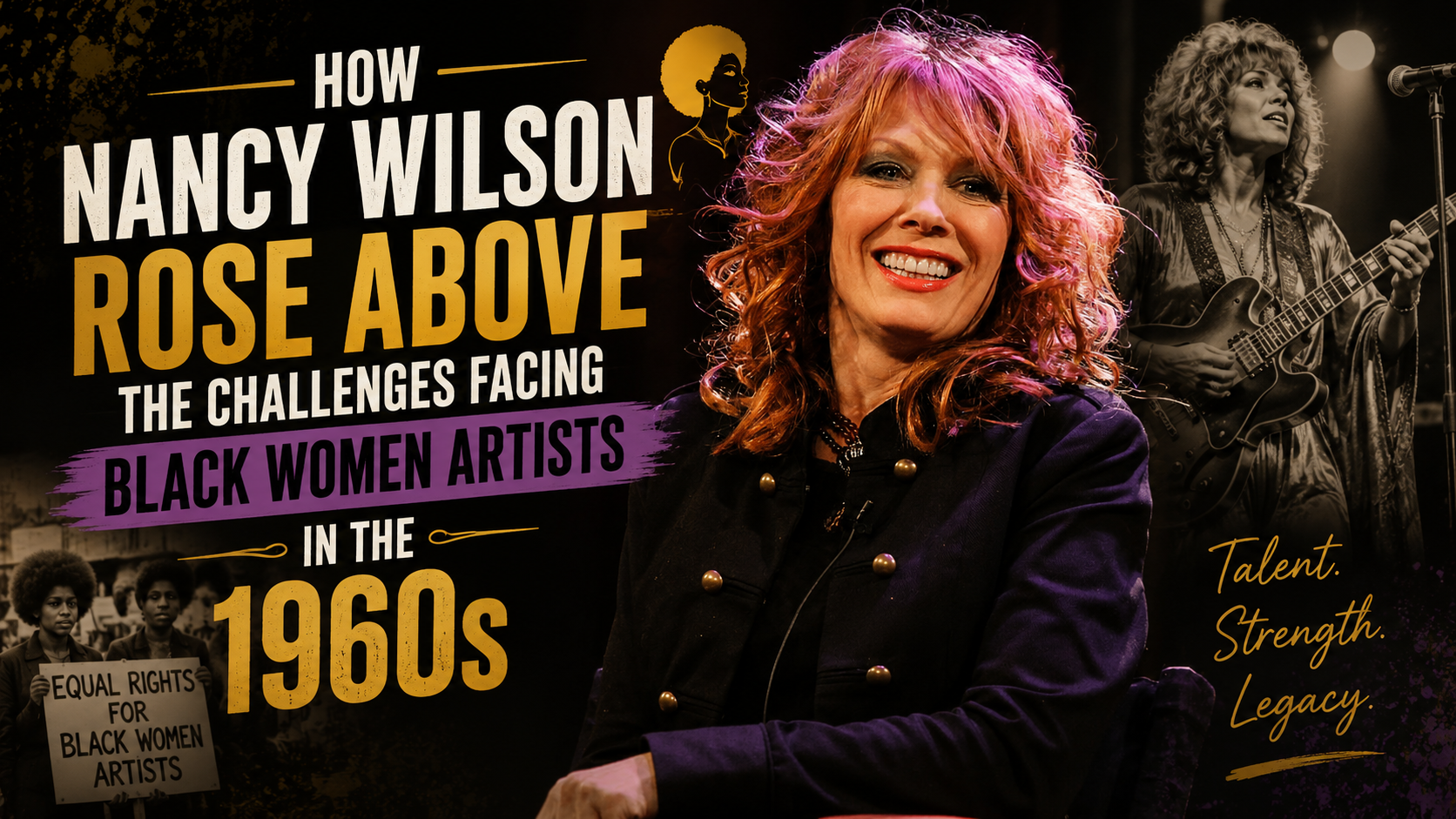
The 1960s were a transformative decade in American history. While the Civil Rights Movement pushed for greater equality, racial discrimination and gender barriers continued to affect many industries—including music. For Black women artists, building a successful career often required extraordinary talent, resilience, and determination.
Nancy Wilson emerged as one of the defining voices of that era.
Rather than allowing barriers to define her career, Wilson earned respect through exceptional musicianship, refined vocal technique, and an unmatched ability to interpret songs. Her performances combined jazz, traditional pop, and soul influences, helping her reach audiences across different musical communities.
Recordings such as “(You Don’t Know) How Glad I Am” and “Guess Who I Saw Today” demonstrated not only her vocal excellence but also her remarkable storytelling ability. Over the course of her career, she received multiple Grammy Awards and established herself as one of the most respected vocalists in American music.
It is important to remain historically accurate. Wilson did not publicly claim that she had “defeated” the challenges faced by Black women in the music industry. Instead, her achievements stand as part of a broader history in which many African American artists helped expand opportunities through their talent, professionalism, and perseverance.
Her legacy continues to inspire musicians because it reflects more than commercial success. It represents artistic excellence achieved during a period when equal opportunities were far from guaranteed.
Today, Nancy Wilson is remembered not only for her timeless recordings but also for demonstrating how dignity, discipline, and extraordinary artistry can leave a lasting mark on music history.
What do you believe is Nancy Wilson’s greatest legacy—her unforgettable voice, her artistic excellence, or the inspiration she provided to future generations? Share your thoughts in the comments.