
Today February 3, 2026, 01:40 AM
Today February 3, 2026, 01:40 AM
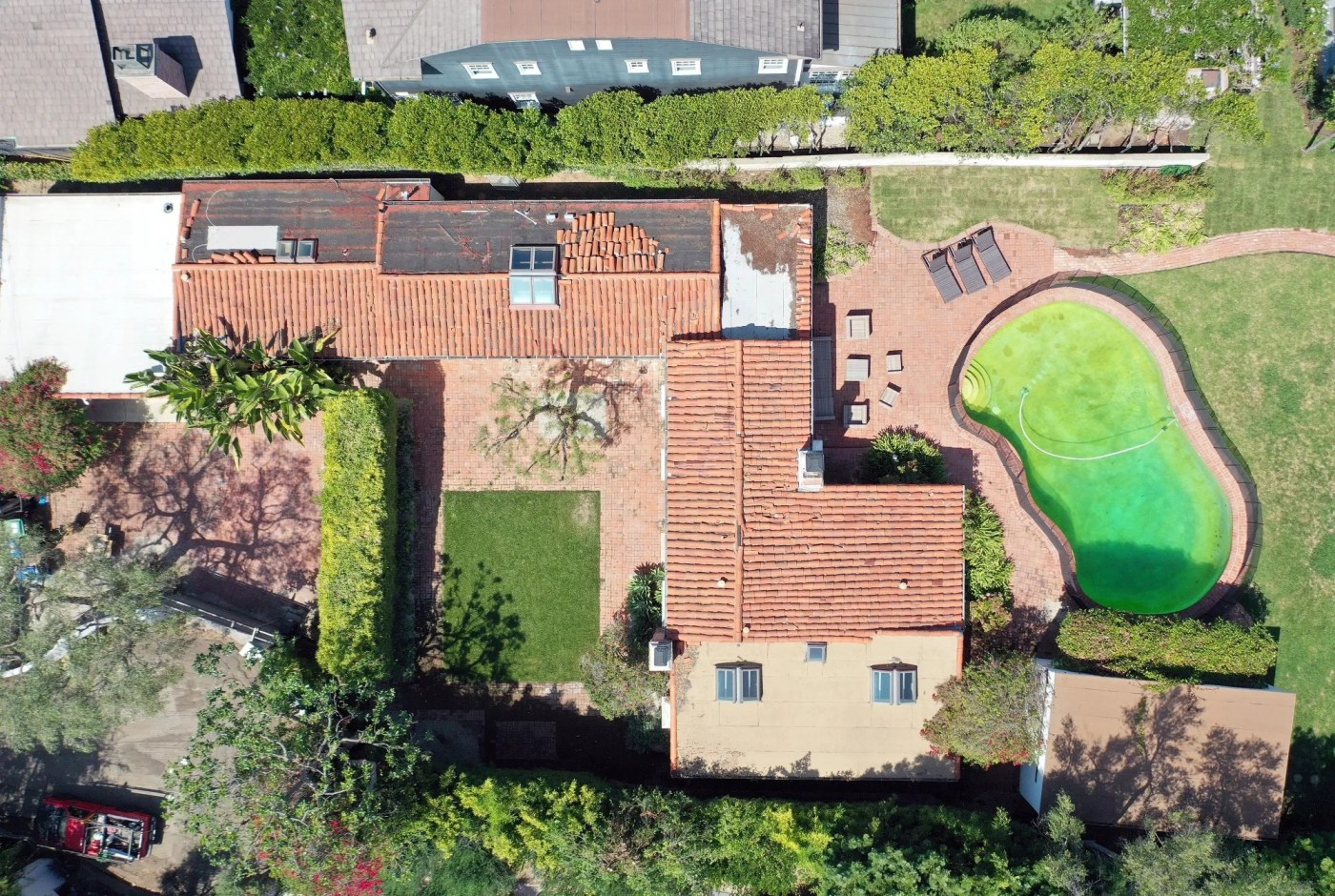
The owners of the Los Angeles home where Marilyn Monroe died are suing the city and Mayor Karen Bass, alleging in federal court that the residence was designated a historic cultural landmark after they purchased it, curtailing their plans to demolish the structure, according to a complaint obtained Monday.
Husband and wife Roy Bank and Brinah Milstein, who live at the Brentwood property, contend that Los Angeles designated the house a historic monument “without any public purpose or just compensation,” the suit says.
Bank and Milstein purchased the property in 2023 for more than $8 million. The couple say they bought the residence “with the clear intent of demolishing the dilapidated structures on the property,” according to the lawsuit, which was filed Jan. 23 in downtown Los Angeles.
Representatives of the L.A. city attorney’s office did not immediately respond to a request for comment. Los Angeles City Councilwoman Traci Park led the effort to have the home protecting, even holding a 2023 news conference backing the landmark designation.
“This critical move underscores the city of Los Angeles’ commitment to preserving its rich history, ensuring that iconic landmarks and pivotal moments continue to inspire future generations,” according to a 2023 statement from Park’s office.
The plaintiffs, however, contend the property’s connection to Monroe is tenuous.
“Not a trace of Ms. Monroe’s short tenure at the house remains at the property or in the house — and the house has been substantially altered by successive owners over more than 60 years,” attorneys claim in the complaint.
The star of “Some Like It Hot” lived in the 1929 Spanish Colonial-style house for only six months, the couple said. The actress was found dead at age 36 inside the home in August 1962, a probable suicide by overdose, officials said at the time.
During the ensuing decades, the property — which cannot be viewed from the street — has had over a dozen different owners, undergone numerous renovations and was issued more than two-dozen building permits from the city — all without the historical designation, the lawsuit says.
Since the historic designation, the property has become “a tourist attraction,” according to the complaint, with traffic blocking the dead-end street and trespassers climbing walls to get a better view of the home.


