
Today January 19, 2026, 02:00 PM
Today January 19, 2026, 02:00 PM
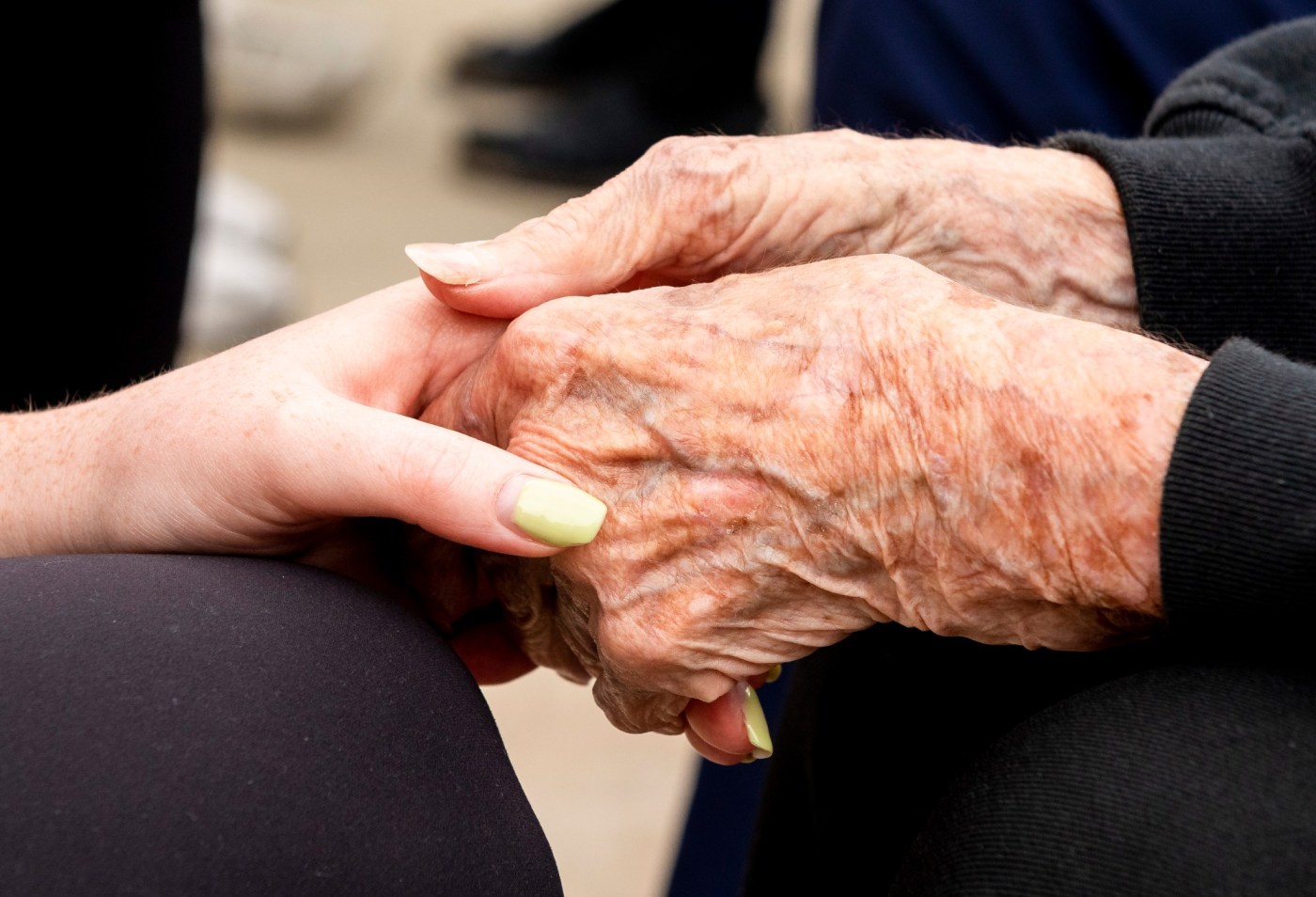
Staying mentally active is just as important as keeping your body moving — especially as you age. The good news, however, is that small, enjoyable changes to your daily routine can make a big difference in how you think, feel and live.
As we grow older, it’s natural to focus on physical health. But your brain needs exercise, too. Research shows that in adults 65 and older, cognitive decline can impact memory, attention and even independence. The great news is that you can support your brain’s health with simple, fun activities — no special equipment required.
You don’t have to overhaul your life to see benefits. By adding a short walk to your day, you’ll not only boost your energy but also make it easier to climb stairs, chase after your grandkids, or carry groceries. The same principle applies to your brain: small, new challenges keep your mind flexible and strong.
Keeping your mind sharp doesn’t have to be complicated. Brain games are more than just entertainment — they’re a form of mental fitness that helps preserve memory, improve focus and support emotional well-being. Neurobics — a term coined by Dr. Lawrence Katz — means “aerobics for your neurons.” These activities use your senses in new ways to build brain strength.
Neurobic exercises work because they engage multiple senses and challenge your brain to process information differently. For example, tasting new foods while blindfolded or identifying objects by touch forces your brain to create new neural pathways. These small, sensory-based challenges stimulate different areas of the brain, improving flexibility and resilience. These activities can be both fun and highly effective for cognitive health.
Looking for ways to get started? Here are a few easy, enjoyable activities to give your brain a workout:
Beyond games, even small changes to your daily habits can help. Routine can be comforting, but too much of it can dull your mind. Try these simple changes:
Even these small adjustments help keep your brain alert and adaptable.
Another powerful way to support your brain is to keep learning — no matter your age.
Lifelong learning doesn’t have to mean going back to school. It could be as simple as picking up a new card game, taking a dance class or experimenting with new recipes in the kitchen. When you’re learning, you’re challenging your brain to work in new ways. That means more neural activity, more engagement and more mental growth. Even the smallest new skill can make a big difference over time. Staying curious and open to new experiences helps your brain stay resilient and sharp.
And don’t forget the classics — puzzles like sudoku and crosswords are excellent lifelong learning tools. They challenge memory, logic and problem-solving skills, making them a fun and effective way to keep your brain active. Whether it’s a new hobby or a familiar game, the key is to keep your mind engaged and exploring.
Aging doesn’t have to mean slowing down. With the right tools and mindset, we can all stay mentally active, independent, and full of life. Start with one brain game or new activity today. Your future self will thank you.


