
Today January 25, 2026, 03:15 PM
Today January 25, 2026, 03:15 PM
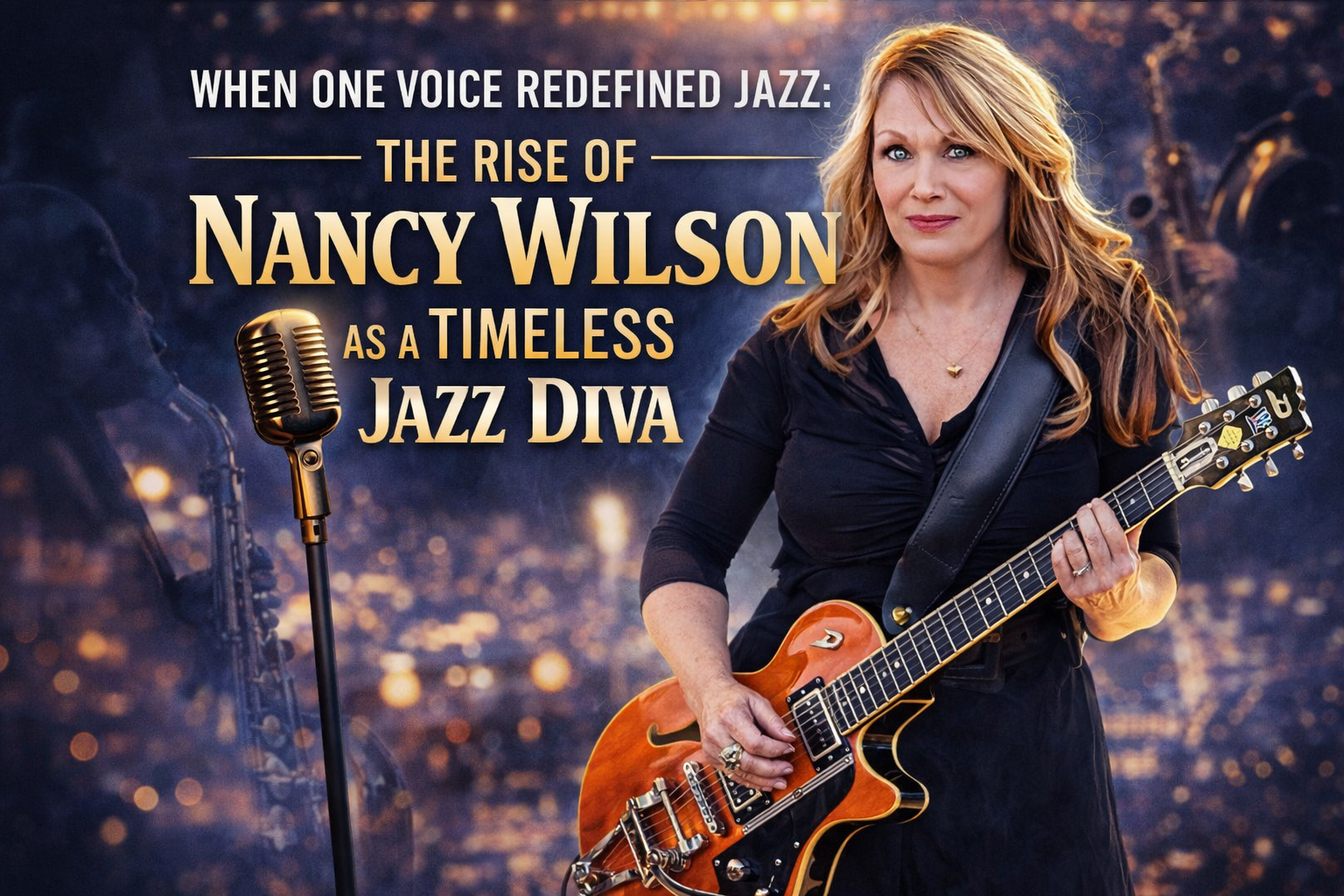
In the history of jazz, there are voices that do more than sing. They shape emotions, tell stories, and redefine how music is felt. Nancy Wilson was one such voice. Though she never confined herself to the label of a jazz singer, history remembers her as one of the most elegant jazz divas of all time.
Born on February 20, 1937, in Chillicothe, Ohio, Nancy Wilson’s musical journey began in church, singing gospel music as a child. Her early exposure to gospel, R&B, and pop music gave her a broad musical foundation, but jazz slowly became her true artistic home.
In the late 1950s, Wilson gained attention through local television performances in Columbus, Ohio. It was during this period that legendary saxophonist Cannonball Adderley heard her sing and immediately recognized her potential. He invited her to New York, a move that would change her life and career forever.
In 1961, she signed with Capitol Records and released the landmark album “Nancy Wilson/Cannonball Adderley.” The album blended jazz improvisation with refined vocal storytelling and introduced Wilson as a unique voice who could bridge jazz and popular music without losing artistic integrity.
Her breakthrough came in 1964 when she won a Grammy Award for the song “How Glad I Am.” The award marked her arrival as a major figure in American music. Throughout the 1960s, songs like “Guess Who I Saw Today” and “You Don’t Know How Glad I Am” made her an international star, admired for her clarity, emotional control, and unmatched phrasing.
What truly set Nancy Wilson apart was her ability to tell stories. Every song felt like a personal conversation. She treated lyrics with respect and precision, allowing emotion to lead rather than vocal excess. This quality made her music timeless.
During the 1970s and 1980s, Wilson expanded her presence beyond music, hosting television shows, acting in films, and performing across multiple genres. Yet her identity as a jazz vocalist remained central. Even as musical trends changed, she stayed true to her style, choosing quality over commercial pressure.
Nancy Wilson passed away in 2018, but her voice continues to resonate with new generations of listeners. She left behind a legacy that proves jazz is not just a genre. It is a language of emotion, and Nancy Wilson was one of its finest storytellers.


