Today January 25, 2026, 03:00 PM
Today January 25, 2026, 03:00 PM
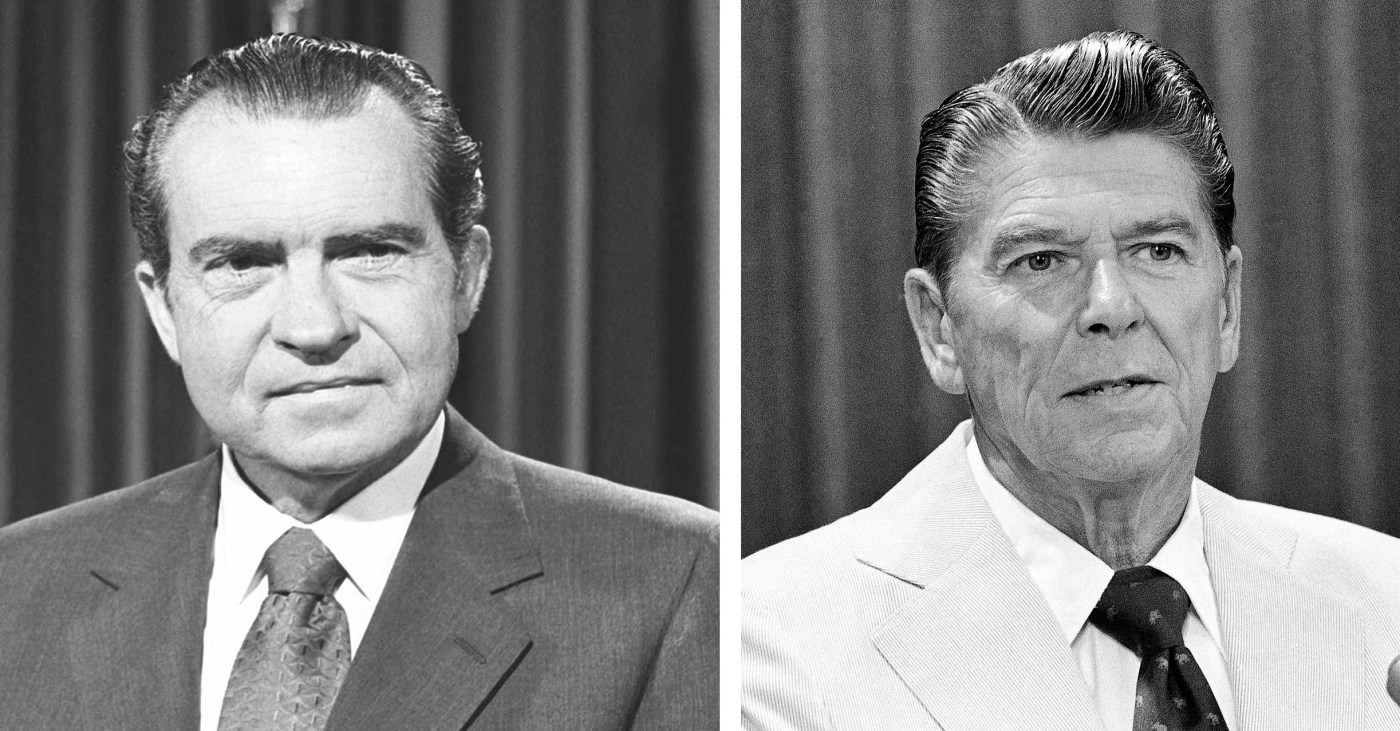
California once exported a national mood: confidence, growth, competence, a booming middle class, and large industries that represented national strength. That vision was the California that helped produce and endorse Republican presidents like Richard Nixon and Ronald Reagan, both from Southern California.
Modern California exports a different national image today: staggering costs, visible chaos, costly housing, soaring energy prices, and a politics that often seems geared toward deep-blue cities rather than the battleground states that determine presidential elections.
That branding shift explains why California has been able to elect Republican presidents but has struggled to produce a Democrat who can win a general election. It is also the challenge Gavin Newsom cannot ignore.
When Nixon and Reagan rose, California’s identity aligned with broad national instincts. The Golden State possessed a strong national security credibility. California’s defense and aerospace stance conveyed seriousness and purpose, not just ideology. Additionally, the state’s strength was a broad middle class. The state represented a piece of the broader American Dream: a good-paying job, a home, and a future. Lastly, California had a competitive political culture. Candidates needed to win real swing voters within the state before attempting to win them nationally.
California was also a presidential bellwether for a long period, reinforcing the idea that its politics were linked to the country’s core.
Gavin Newsom has repeatedly said that California is still the model. If true, it makes him a viable presidential candidate; if not, it hampers his chances of running and winning in 2028.
During his recent State of the State address, Newsom stated: “In California, we are not silent… We are a beacon. This state is providing a different narrative. An operational model, a policy blueprint for others to follow.”
He also embraced the idea that criticism is outdated or irrational, dismissing opponents as people suffering from “California Derangement Syndrome” and telling “them,” specifically Donald Trump and his spokespeople, that “it’s time to update your talking points.”
That line might resonate in Sacramento, and with partisan Democrats nationwide, but to most Americans, his rhetoric hits differently. “Talking points” are not just talking points; they reflect lived experiences for voters who see California as a warning sign: high housing costs, taxes, regulations, disorder, and a governing culture that seems allergic to correction.
California’s biggest political liability isn’t a single policy; it’s the result of decades of poor policy choices. The state feels unaffordable and overly managed.
That is why the migration story matters. People vote with their feet when costs conflict with quality of life. Domestic migration trends have been a consistent part of the California story, and the current trend reinforces the national view that the state is no longer the future of America. Governor Newsom’s claims of a “reversal” is a headline trick. California is still losing people to other states — it’s just being offset by international migration.
In presidential politics, perception turns into shorthand, and shorthand becomes reality.
This reality is Governor Newsom’s Achilles’ heel, as he tries to sound tough and impatient, especially on homelessness. “No more excuses, it’s time to bring people off the streets, out of encampments, into housing, into treatment. Counties need to do their job!”
Those are talking points from a governor who recognizes the nation’s vulnerability: the footage of a downtrodden humanity in multiple cities remains undeniable. For many swing-state voters, California has become known for increased spending and reduced results. Remember the George H.W. Bush ads about Boston Harbor against Michael Dukakis? The ads against a Gavin Newsom presidential campaign write themselves.
Jerry Brown and Kamala Harris faced the same underlying dynamic: a Democrat from California doesn’t just run as an individual. They run as a symbol of California governance.
California has voted Democratic for president in every election since 1992, which Democrats statewide boost, but this one-party domination creates a national paradox: the state’s leaders are rewarded for winning debates within a deep-blue coalition, while presidents are elected by forming cross-regional majorities of swing voters.
Newsom’s final state-of-the-state address and his appearance at Davos feel like a national audition, and the underlying message is clear: he is aiming to rebrand California as “the blueprint.”
Is the country buying the brochure?
Nixon and Reagan benefited from a California that represented America in motion. Newsom is attempting to nationalize a California that many voters view as America’s warning sign.
He can attack the critics. He can mock “derangement.” He can call the state a “beacon.”
But as long as California’s main export remains the cost-of-living crisis and visible disorder, a California Democrat, and one from San Francisco at that, will keep losing the same argument in the same states: not over ideology, but over basic competence and lived reality.